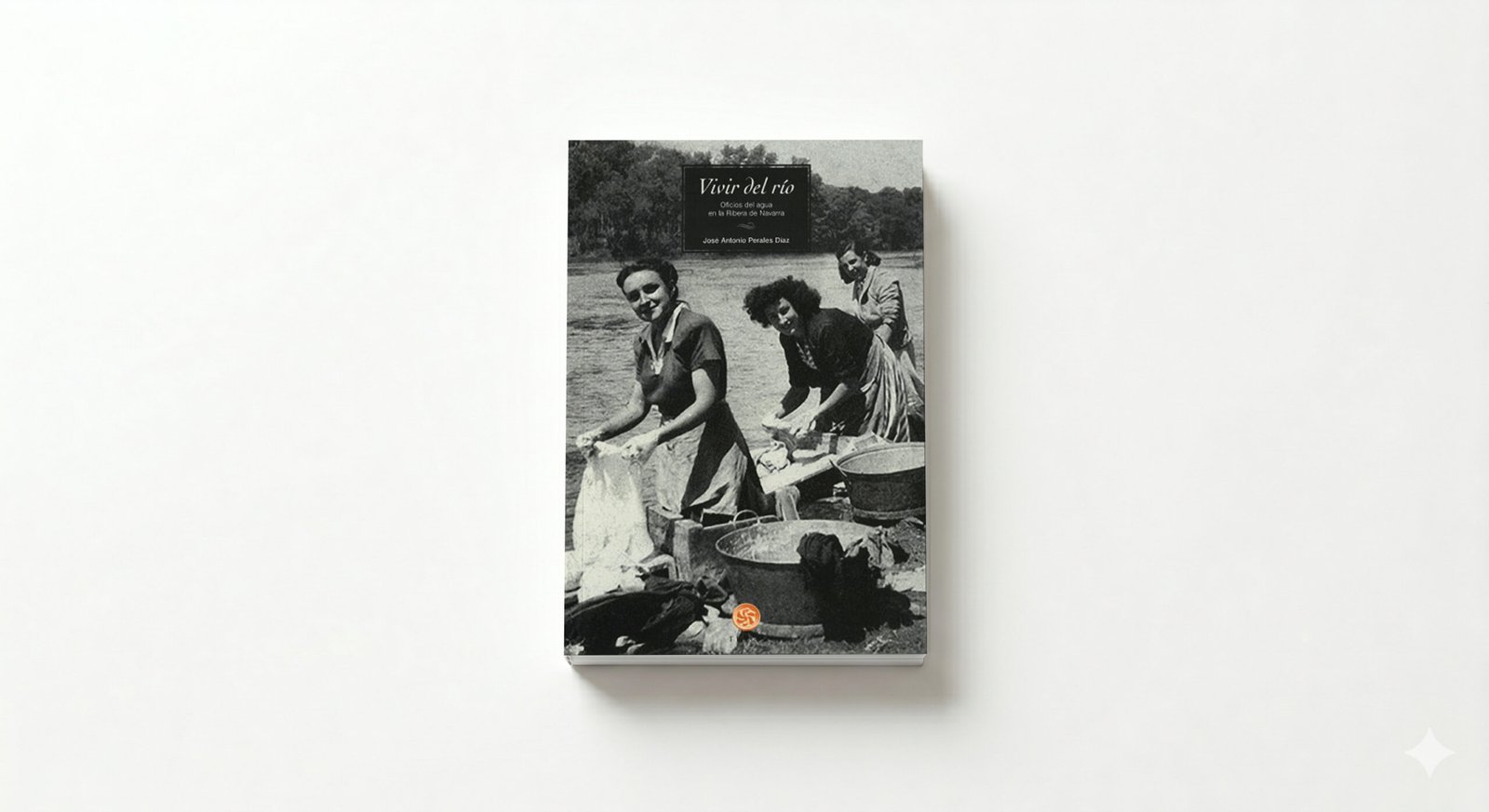
Vivir del río. Oficios del agua en la Ribera de Navarra

Boatmen, fishermen, pontoon workers, water carriers, alamines, water diviners, dam workers, rice growers, millers and washerwomen… and the Pesqueta festival. 

Ten occupations and one festival linked to the river culture of the Ribera of Navarre. Some of these occupations have disappeared, while others survive but are at risk of disappearing. 

The book pays tribute to these traditional ways of “making a living from the river” and, above all, to the people who practised them. 

Buy here

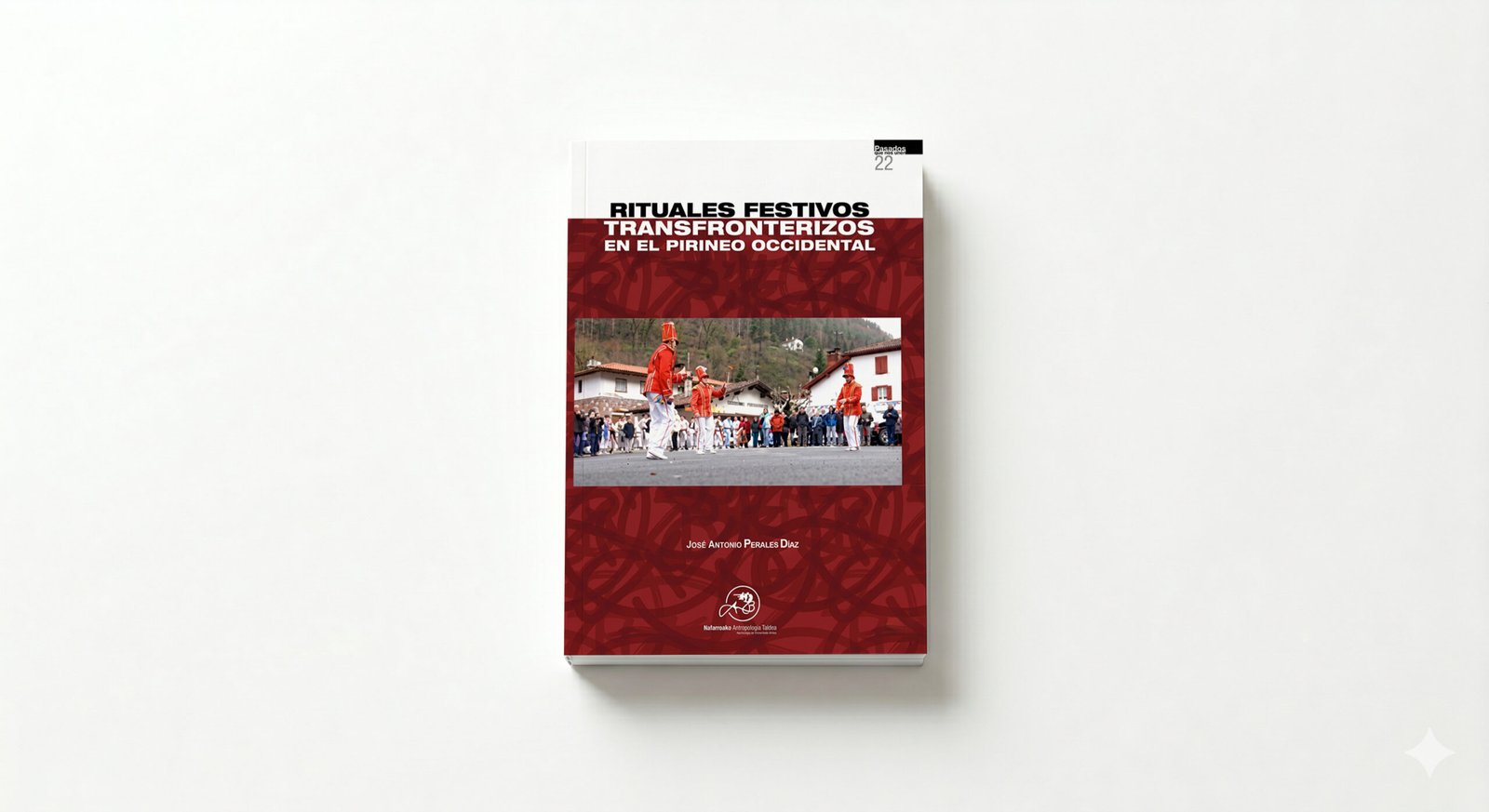
Rituales festivos transfronterizos en el Pirineo occidental

The Western Pyrenees are home to a number of festivals whose setting or central theme is the international border.

Some of the best known, such as the Tribute of the Three Cows, are linked to facerías—traditional agreements governing the shared use of mountain resources—or, more broadly, to traditional mountain livelihoods such as livestock farming and the use of forest resources.

Others, less well known and less extensively studied, represent a symbolic crossing of the international border, such as the Kontrabandisten Eguna, or Smugglers’ Day, in Sara, and the Entrada en Arnegui of the Bolantes of Luzaide-Valcarlos.

This monograph brings together, describes and analyses these and other border festivals, focusing on something they all have in common: the joint participation of communities living on both sides of the border.

Buy here

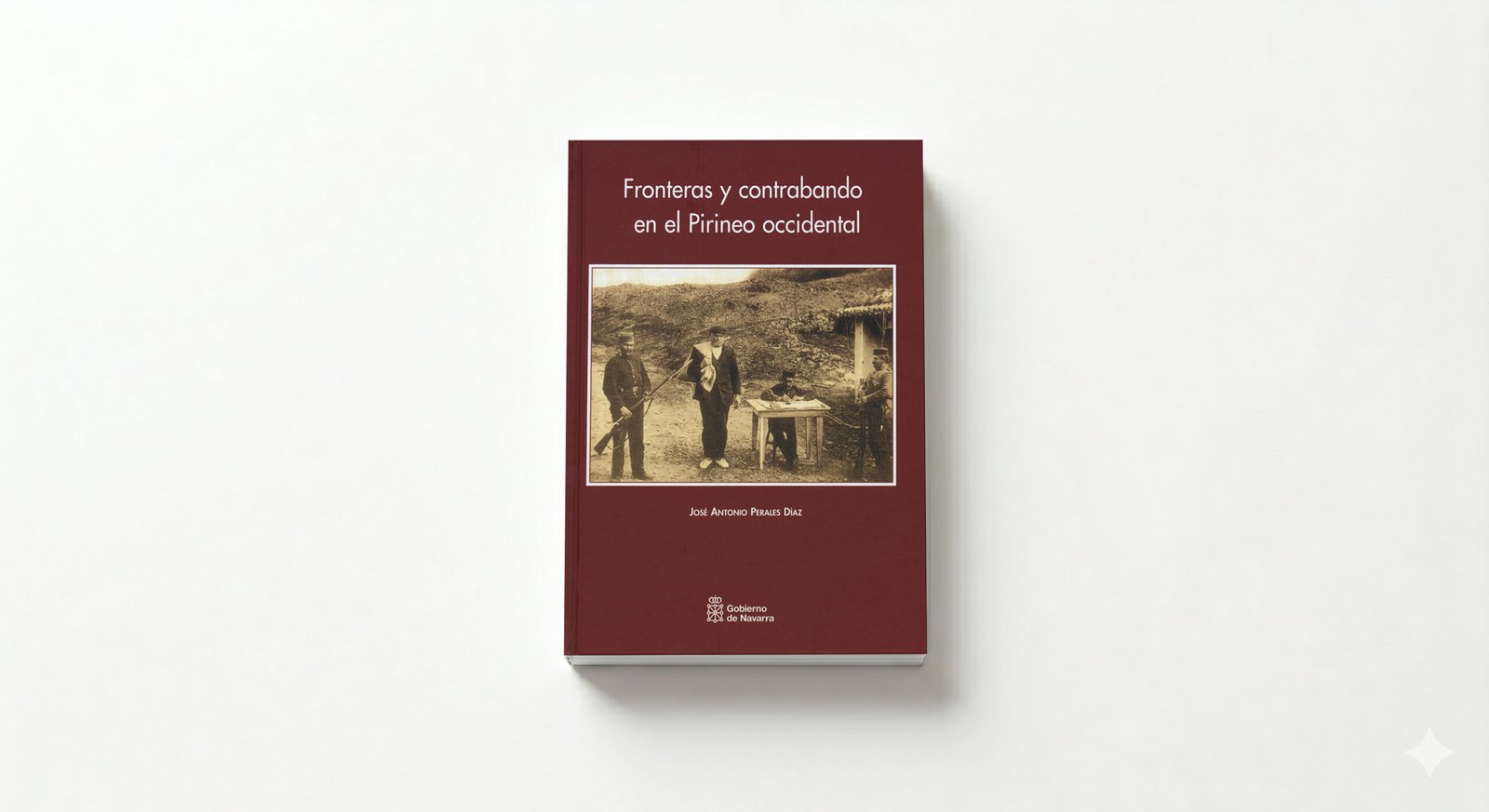
Fronteras y contrabando en el Pirineo occidental

This book explores the phenomenon of smuggling along the Western Pyrenees borderlands from a historical and anthropological perspective.

It examines the dialectical relationships established between the Spanish and French states and the valley communities of the Pyrenees following the implementation of the modern border.

What did smuggling mean for these old rural communities, which became border societies from the nineteenth century onwards? How was smuggling practiced as an occupation in the nineteenth century and during the post- Civil War period in Spain?

The book is an adaptation of a doctoral thesis that examines the forms of resistance and survival strategies developed by communities threatened by the establishment of the modern border.

Buy here

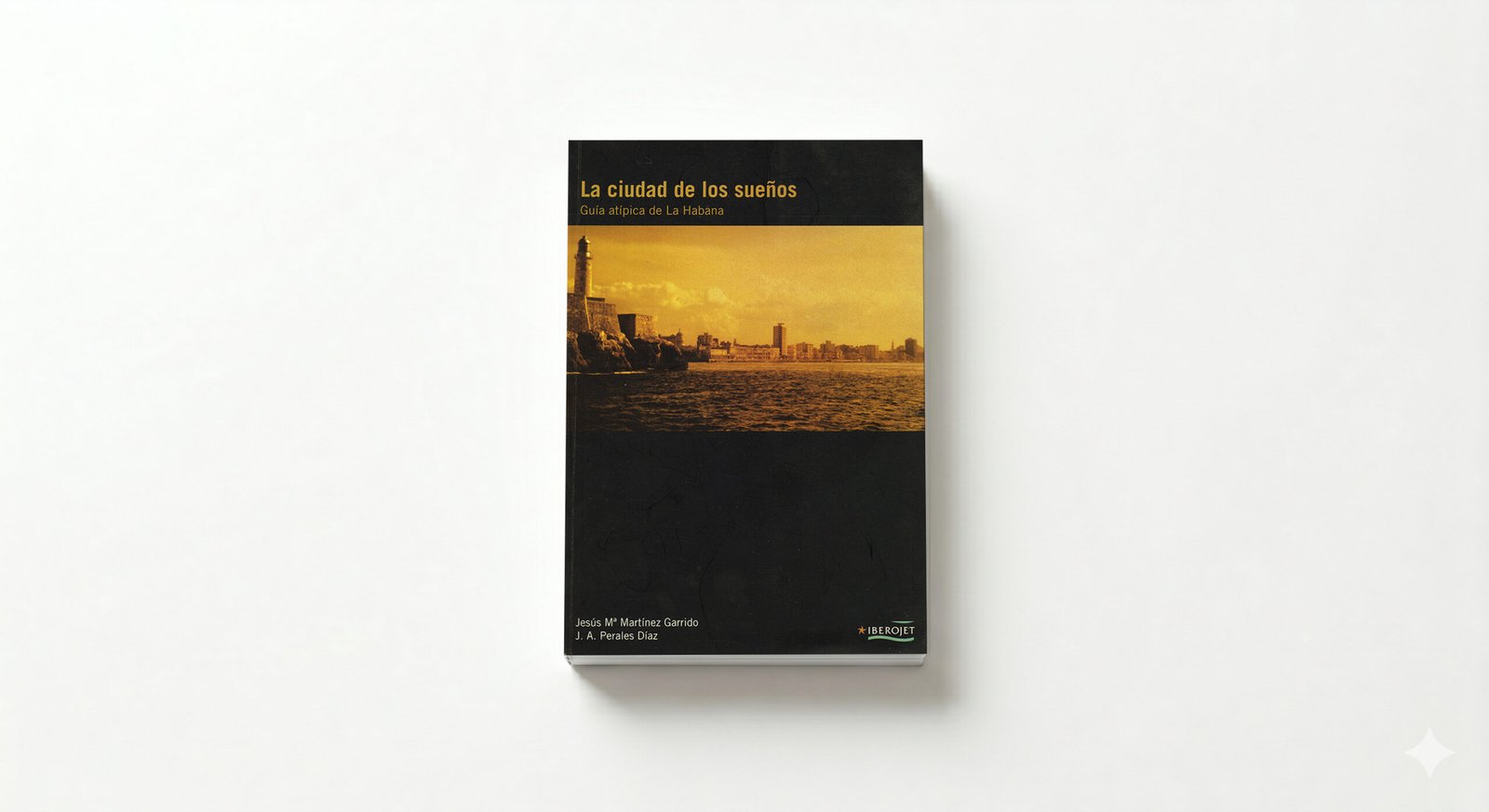
La ciudad de los sueños. 
Guía atípica de la Habana

White-sand beaches, dancing under the moonlight…

Beneath Havana’s columns, the dreams of thousands of Spanish tourists take shape as they embrace the fantasy of feeling like kings and queens for a week or two. Why does Havana continue to be one of the favourite destinations for Spanish tourists?

This book reveals some of the secrets of this photogenic and welcoming city, a place that captivates those who visit it. For the authors, Jesús M. Martínez and José A. Perales, Havana is, above all, a literary landscape that invites us to dream.

Buy here

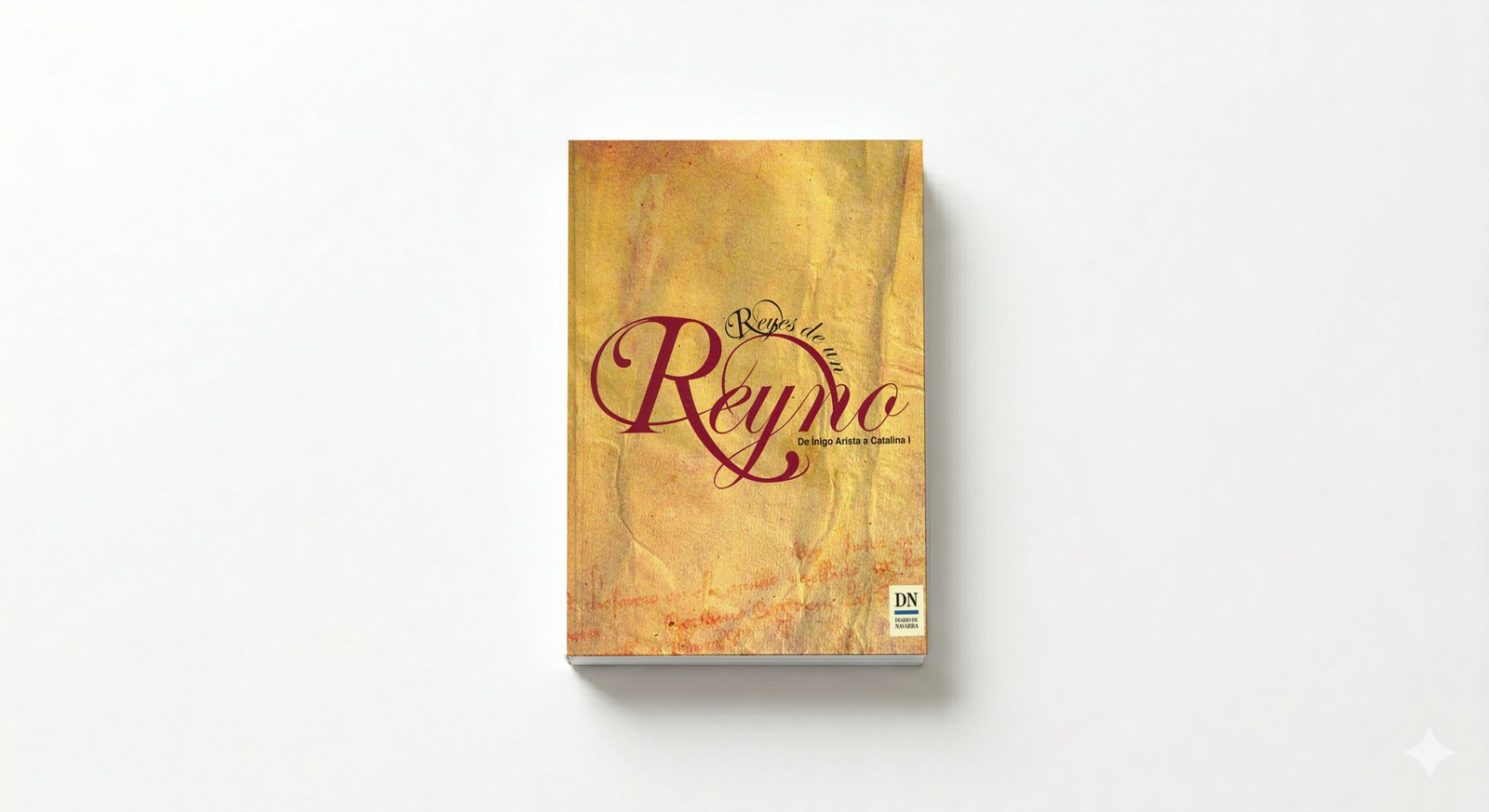
Reyes de un reyno

Reyes de un reino is a popular history book that traces the history of the Navarrese monarchy chronologically, from its founding origins under Íñigo Arista in the 9th century to the reign of Queen Catherine I in the 16th century. 

The book explores the key moments, dynastic intrigues, conflicts and figures that shaped the Kingdom of Navarre over the centuries, offering an accessible journey through its main figures.  

Buy here
Skip to content